
Live To The Max helps older adults stay safe, independent and active at home through personalized occupational and physical therapy.
Live to the Max brings Occupational Therapy and Physical Therapy directly to your home, making it easier to get the support you need without the stress of traveling to a clinic.
We help older adults stay safe, maintain their independence, and keep doing the things that matter most—whether that means moving with greater confidence, preventing falls, managing everyday activities, recovering from an illness or injury, or adapting to changes in your abilities.
Because therapy isn't just about what you can do during a visit. It's about helping you live safely, confidently, and independently in the place you call home.
Your Trusted Partner for Personalized OT and PT at Home
Live to the Max brings Occupational Therapy (OT) and Physical Therapy (PT) right to your home. Our goal is to help you stay safe, strong, and able to do the things you enjoy—all without leaving your house.
We make it easy to get top-quality care. Whether you need help moving better, staying steady, or doing daily tasks like bathing or cooking, we come to you. Live to the Max is here to help you live your best life—with comfort, convenience, and care.
CAN YOU RELATE TO THIS?
Losing some of your independence can be difficult enough. Then you add a healthcare system that can leave you feeling like just another number.
You deserve better.
You deserve a therapist who knows your story—not just your diagnosis.
You deserve care that is focused on your goals, your routines, and the things that matter most to you.
You deserve consistency, personal attention, and someone who takes the time to understand what is really getting in your way.
And you shouldn't have to spend your day traveling to appointments, sitting in waiting rooms, or rearranging your life around therapy.
What Sets Live To The Max Apart?
Personalized. Convenient. At Home.
We bring Occupational and Physical Therapy directly to you, so your therapy happens in the environment where you actually live your life.
That means we can work on the things that matter most—getting around your home safely, preventing falls, managing everyday activities, regaining your confidence, and maintaining your independence.
We're not here to simply help you complete a therapy program.
We're here to help you keep living your life to the max.
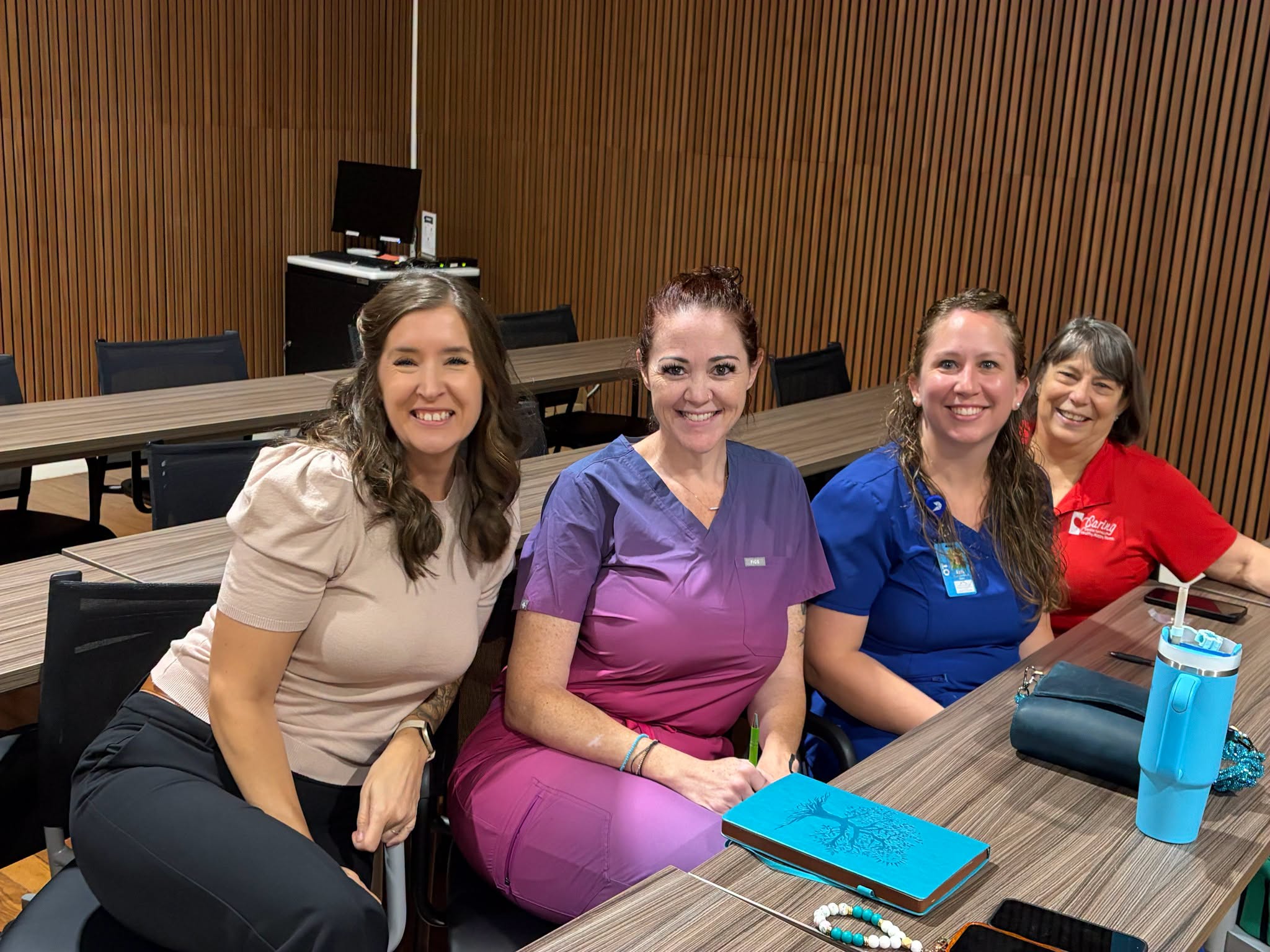
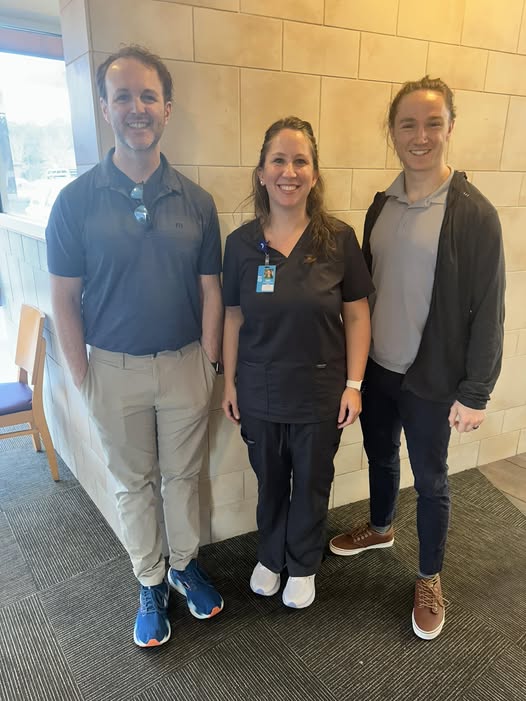
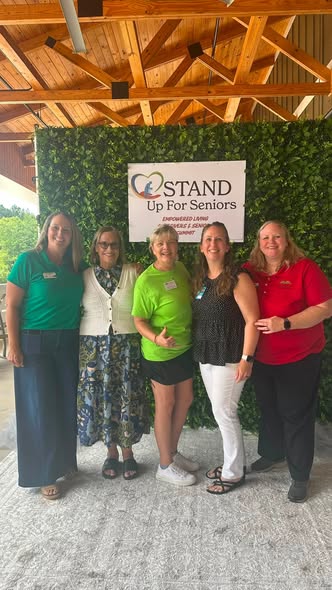
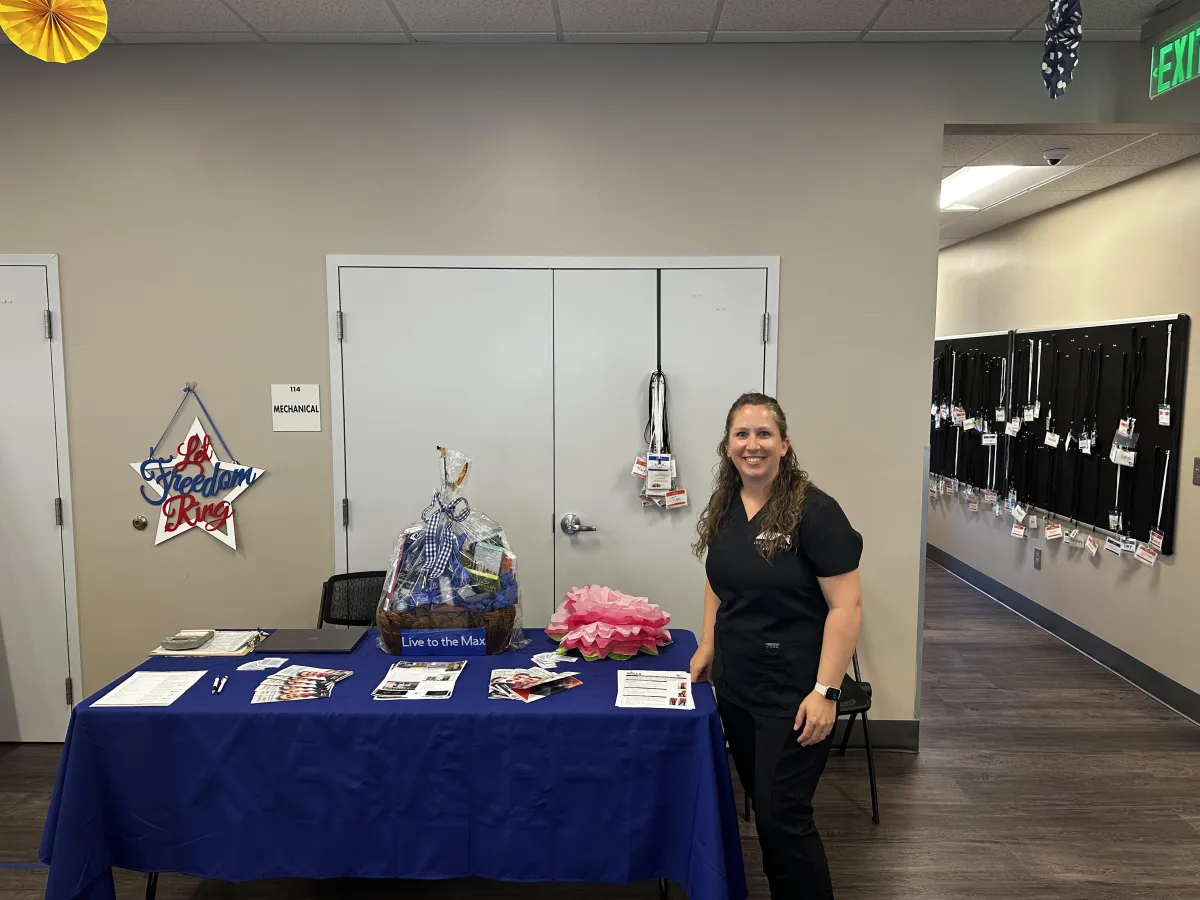
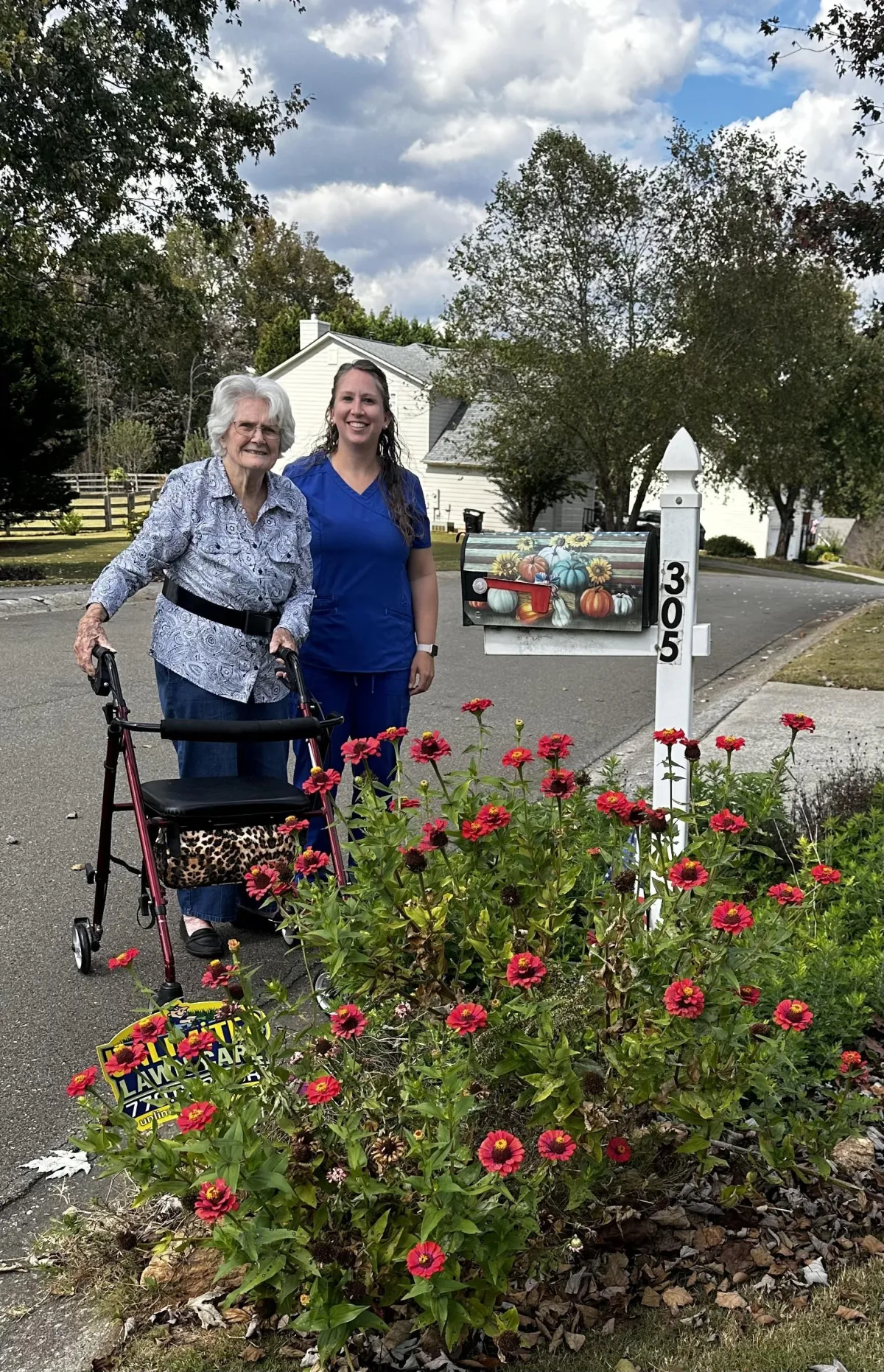
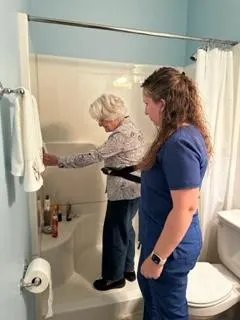
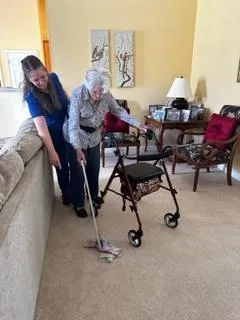
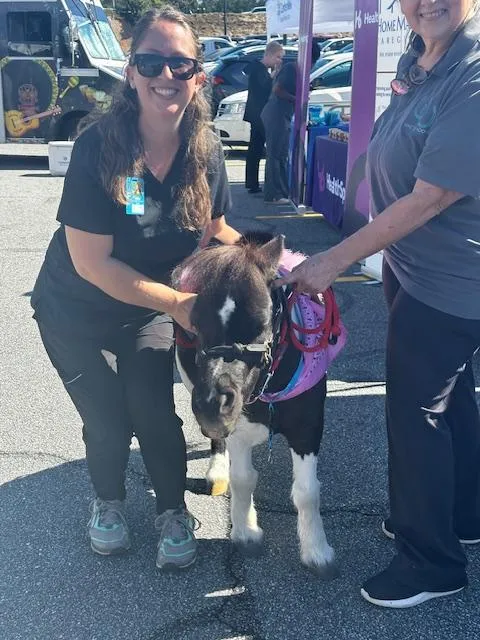

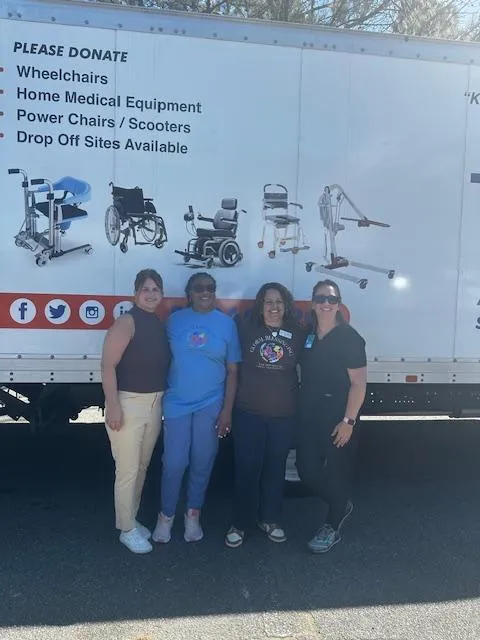
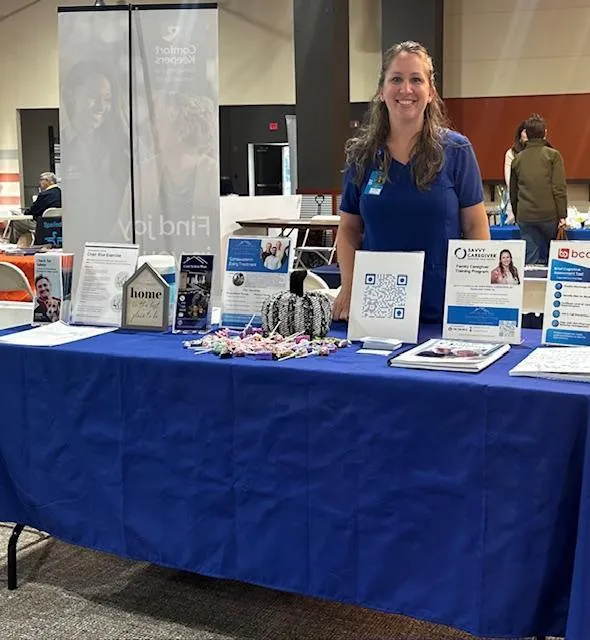
About Live to The Max
Therapy That Helps You Keep Living Life on Your Terms
Therapy isn't just about getting stronger or recovering from an injury. It's about getting back to living your life.
We help older adults navigate the changes that can make everyday life more difficult—from falls and loss of strength to changes in mobility, confidence, and independence. Our therapists provide practical, personalized solutions that help people feel safer, more capable, and more confident in their own homes.
Because our measure of success isn't simply what happens during a therapy visit. It's what you're able to do when we're not there.
Our 3 Pillars of Care

Stay Safe & Prevent Falls
Help people reduce fall risk, improve balance, build strength, and feel more confident moving through their home and community.
Maintain Independence & Age in Place
Help people continue living safely in the home they love by addressing mobility, daily activities, home safety, adaptive equipment, and the practical challenges of aging.
Recover, Adapt & Keep Living
Help people regain function after an illness, injury, hospitalization, or other life change—and find new strategies when their abilities change so they can continue doing what matters to them.
Here's How We Can Help You Live to The Max
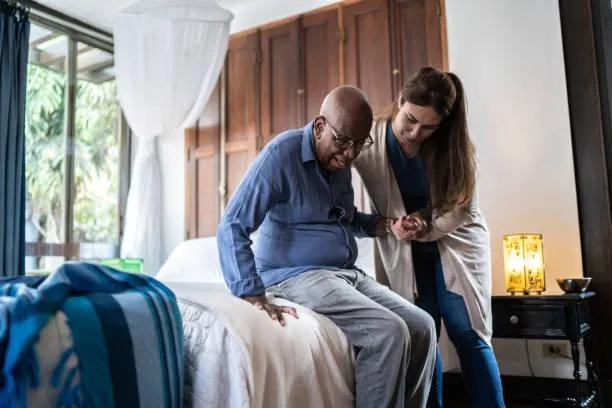
Occupational Therapy Services
Daily Living Skills: We help you with everyday tasks like dressing, bathing, feeding, or cooking more safely.
Home Safety Checks: We help you make sure your home is safe—like adding grab bars, better lighting, and safe pathways.
Adaptive Equipment & Strategies: We find tools and ways to make tasks easier—like special handles or reachers for easier access.
Energy-Saving Tips: We show you ways to get things done without getting too tired.
Cognitive & Memory Support: Simple routines and memory tricks to help manage daily routines confidently.
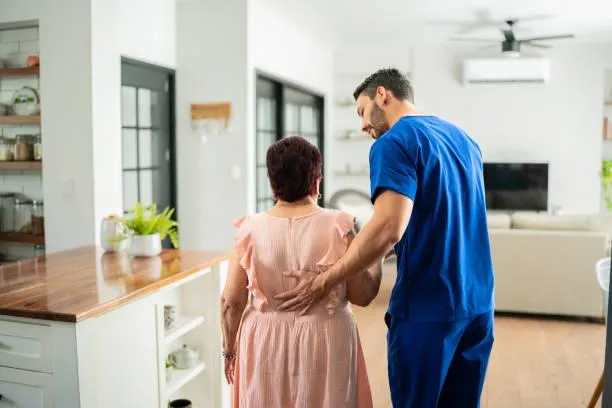
Physical Therapy Services
Balance & Fall Prevention: We teach exercises and tips to help you stay steady and safe when walking or getting up.
Strength & Movement Support: Through guided exercises, we help you move better and regain strength.
Post-Surgery Rehab: We help you recover safely at home after surgery, making everyday movements stronger and easier.
Pain Management: Gentle stretches and movements to reduce pain and increase comfort.
Mobility & Walking Aid Support: Assistance with using canes, walkers, or other aids so you can move around more independently.
Here's How We Can Help You:
Occupational & Physical Therapy
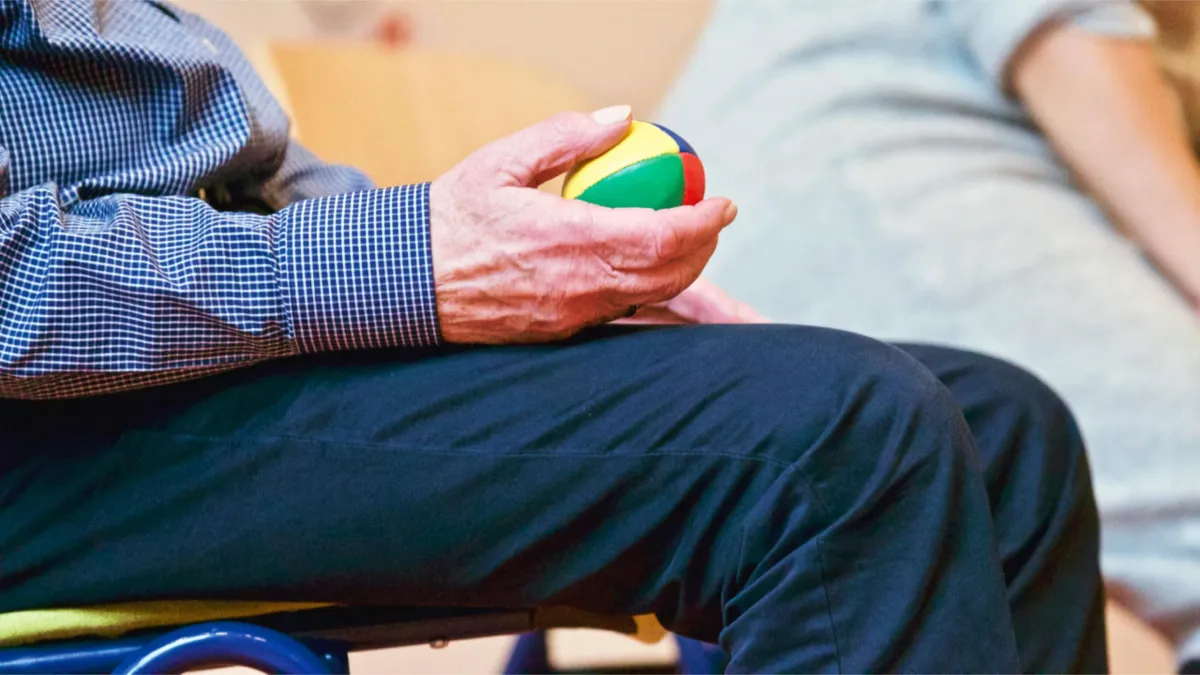
Daily Living Skills Training
We focus on practical training to help you regain independence in everyday activities. Our therapists work with you on essential skills such as dressing, grooming, cooking, and home management, making these tasks more manageable and safe.
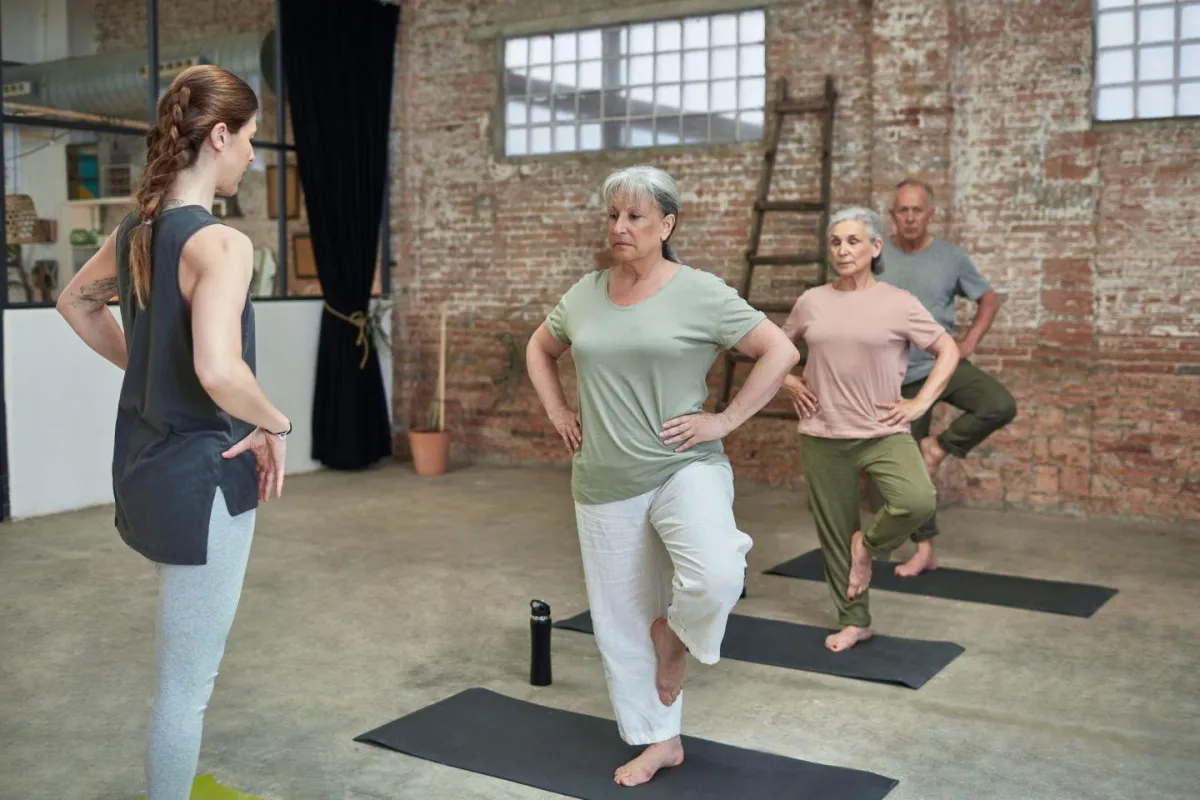
Balance Training and Falls Prevention
To reduce the risk of falls and enhance stability, we offer specialized balance training programs. These sessions focus on strengthening core muscles, improving coordination, and increasing awareness of body mechanics, promoting safer mobility in daily life.

Home Safety Evaluations
Our team conducts thorough assessments of your home environment to identify potential hazards and recommend modifications. We aim to create a safer living space that supports your mobility and daily activities.
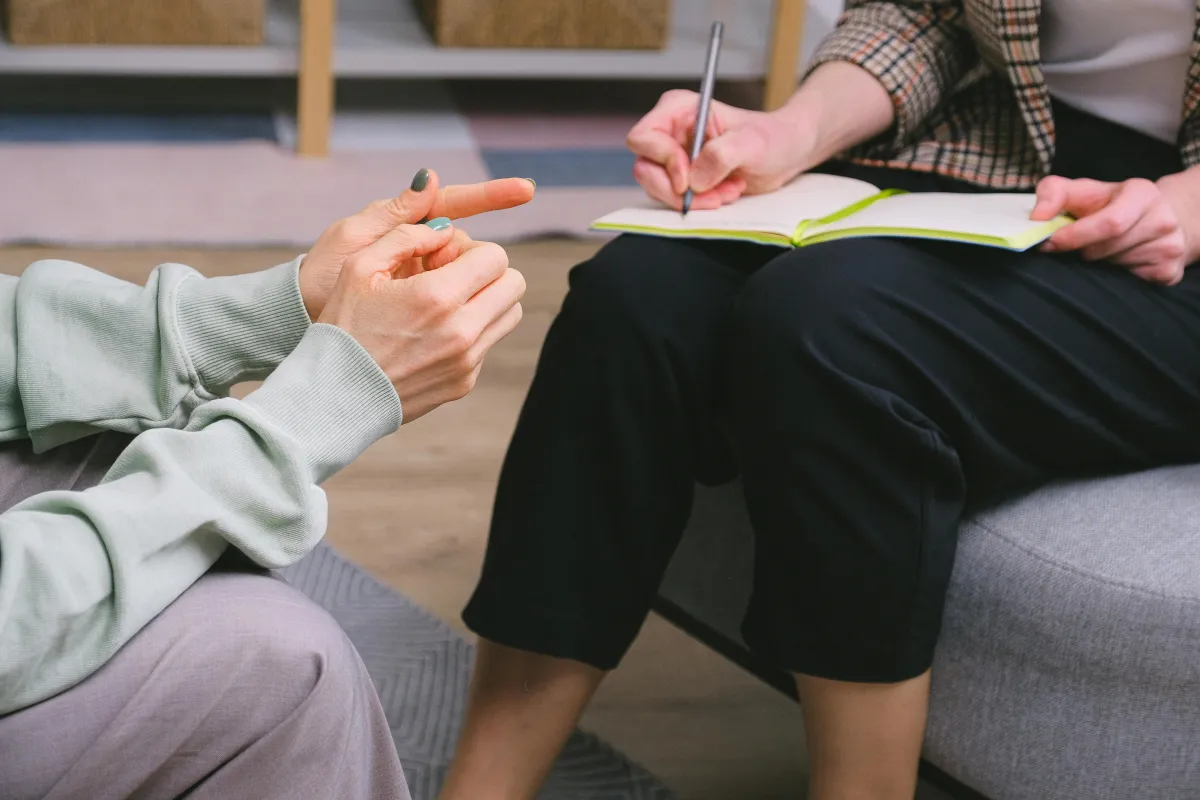
Caregiver Education and Support
We offer guidance and support to caregivers, equipping them with the knowledge and skills to assist their loved ones effectively. Our goal is to ensure that caregivers feel confident and capable in their roles.
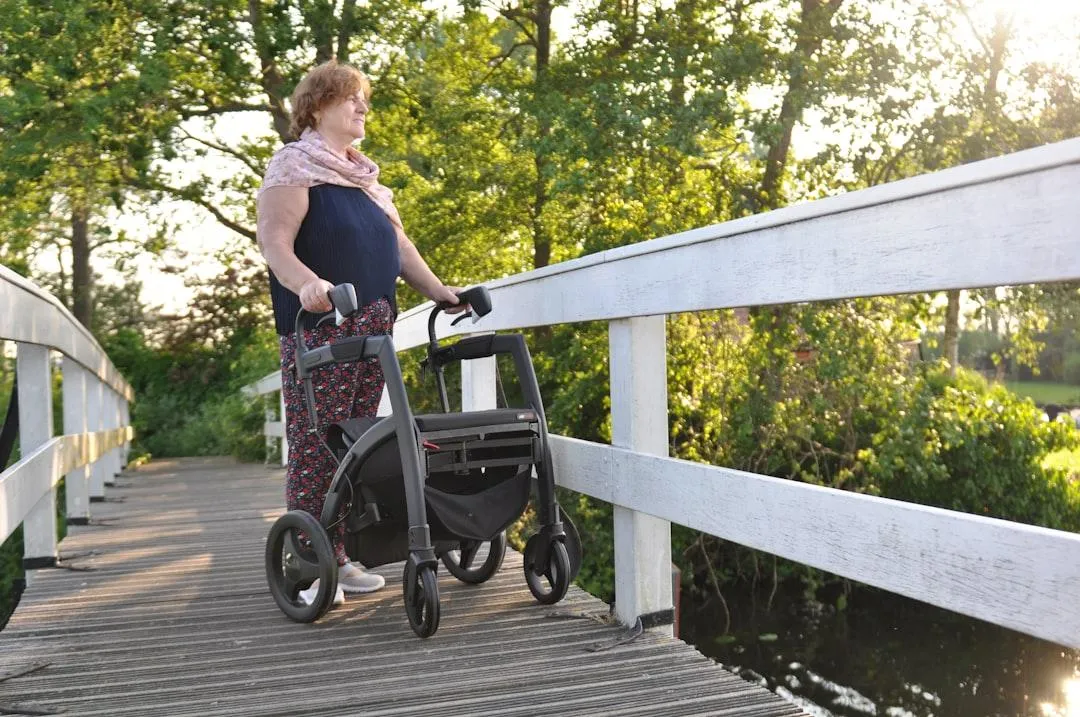
Chronic Condition Management
We provide specialized care for individuals managing chronic conditions such as arthritis, stroke, and neurological disorders. Our therapy plans are designed to alleviate symptoms, improve function, and enhance your quality of life.
WHAT OUR CLIENTS ARE SAYING...
W.B.

Katie was wonderful at working with my wife. Katie was gentle, capable, and compassionate.
R.B.
Katie’s the best. She helped us with my father in law.
"Katie helped me so much and I can't wait for you to see the benefits of working with her"
~ Jack
Questions We Hear All the Time
How do I know if my aging parent needs physical therapy?
An aging parent may benefit from physical therapy if they are becoming weaker, less steady, having difficulty walking or getting up from a chair, experiencing falls or near-falls, or avoiding activities because they don't feel safe. Physical therapy can help improve or maintain strength, balance, mobility, and physical function.
What to look for:
Don't wait until your parent has a serious injury. Some of the earliest signs that physical therapy may help include:
Holding onto furniture while walking
Difficulty getting out of a chair
Taking smaller or slower steps
Becoming more hesitant on stairs
Using a cane or walker incorrectly
Having a fall or near-fall
Avoiding activities because of fear of falling
Becoming noticeably weaker
Needing more help from family with mobility
Physical therapy isn't only for recovering from an injury or surgery. Medicare recognizes medically necessary PT as a way to improve or maintain function or slow functional decline.
The goal isn't simply to make someone stronger. It's to help them move safely and continue participating in the life they want to live.
Can occupational therapy help someone who keeps falling?
Yes. Occupational therapy can help identify why an older adult is falling and address problems involving daily activities, home safety, equipment, routines, and the person's ability to function safely. An OT can also evaluate the home environment and recommend changes that reduce hazards and support greater independence.
Why OT can be important after a fall:
A fall isn't always simply a balance problem.
An occupational therapist looks at the whole picture:
How the person gets in and out of the shower
Whether they can safely use the toilet
How they move around the kitchen
Whether they're using their walker or cane appropriately
Lighting and flooring
Clutter and trip hazards
How they manage everyday activities
Whether the environment matches their current abilities
The CDC includes home-safety assessment and occupational therapy among approaches used to identify and address fall risks in older adults.
A fall is often a warning—not just an isolated event.
What is the difference between occupational therapy and physical therapy?
Physical therapy primarily focuses on movement, strength, balance, walking, and physical function. Occupational therapy focuses on helping people safely perform the everyday activities that matter to them, such as bathing, dressing, cooking, and managing their home. The two disciplines often work together to help someone remain independent.
An easy way to remember it
Physical Therapy:
“Can you move?”
Occupational Therapy:
“Can you do what you need and want to do?”
For example, someone recovering from a hip replacement might work with PT on strength, balance, walking, and stairs.
An OT might help that same person figure out how to safely shower, dress, prepare meals, get on and off the toilet, and arrange their home while they're recovering.
And sometimes the answer isn't OT or PT.
It's OT AND PT.
The best place to start is often simply explaining what has changed. A therapist can help determine which discipline—or combination of disciplines—is appropriate.
Can an older adult get therapy at home if they aren't homebound?
Start by paying attention to changes in how your parent moves, manages everyday activities, and handles their home environment. Difficulty bathing, dressing, cooking, walking, using stairs, or getting up from a chair may indicate that additional support is needed. Early therapy and home-safety changes can help address problems before they become a crisis.
Look for changes—not just emergencies
Ask yourself:
Is Mom taking longer to get dressed?
Is Dad avoiding the shower?
Are they using furniture to walk?
Are they having trouble getting up from the toilet?
Are they no longer cooking?
Have they stopped doing activities they enjoy?
Are they relying more heavily on family?
Have they had a fall or near-fall?
Independence doesn't necessarily mean doing everything alone.
Sometimes independence means having the right strategies, equipment, environment and support to continue doing things safely.
That's where OT and PT can make a meaningful difference.
What should I do after an older adult has a fall?
After an older adult falls, first make sure they are safe and seek medical attention for serious injury, head injury, severe pain, loss of consciousness, or other concerning symptoms. Even when there is no obvious injury, a fall deserves attention because it may reveal changes in strength, balance, mobility, medications, vision, or home safety.
Don't just say, “At least they weren't hurt.”
Ask:
Why did they fall?
Was it:
A balance problem?
Weakness?
Difficulty standing?
A medication issue?
Poor lighting?
A loose rug?
An unsafe bathroom?
Improper use of a walker?
A change in vision?
A change in cognition?
Something else?
The CDC recommends addressing multiple fall-risk factors, including home hazards and vision, rather than treating a fall as an isolated event.
And importantly:
A near-fall matters, too.
You don't have to wait for someone to get hurt before asking whether something has changed.
Can OT help make my parent's home safer?
Yes. Occupational therapists can evaluate how an older adult functions within their actual home and identify environmental barriers or hazards that may make everyday activities unsafe. An OT may recommend changes involving bathroom equipment, furniture, lighting, mobility, organization, routines, and other adaptations to support safety and independence.
This is one of the biggest advantages of seeing someone in their home.
A therapist can actually see:
The shower they are afraid to use.
The rug they keep tripping over.
The kitchen cabinet they can't safely reach.
The chair that's too low to get out of.
The hallway that's too dark at night.
The CDC specifically recommends measures such as removing trip hazards, improving lighting, and adding appropriate grab bars and railings to make homes safer.
The home isn't just where therapy happens.
The home can be part of the treatment.
When should I consider therapy before a fall happens?
Consider therapy before a fall happens when you notice changes in strength, balance, walking, confidence, or everyday function. Warning signs include holding onto furniture, avoiding stairs, struggling to stand from a chair, becoming less active, or needing more help with daily activities. Early intervention can address problems before they become a crisis.
Here's the question I'd encourage families to ask:
“What has changed?”
Maybe your parent hasn't fallen.
But perhaps:
They don't walk as far anymore.
They're afraid of the stairs.
They stopped going to church.
They sit most of the day.
They're struggling with the shower.
They're having trouble getting out of the recliner.
They're asking for more help.
Those changes matter.
You don't have to wait for the fall to start the conversation.
That's a message I would make very prominent throughout Live to the Max's marketing.
Does Live to the Max provide therapy in the home?
Yes. Live to the Max provides personalized occupational and physical therapy in the home, allowing therapists to work with clients in the environment where they actually live. This makes it possible to address real-world challenges involving mobility, daily activities, home safety, equipment, and independence.
Why does that matter?
Because sometimes the problem doesn't show up in a clinic.
Maybe someone can walk beautifully down a therapy hallway—but struggles to navigate the furniture in their living room.
Maybe they can demonstrate a transfer in a clinic—but can't safely get into their shower.
Maybe they know how to use their walker—but aren't using it correctly at home.
We want to see the person where life actually happens.
Our goal is to help people stay safe, independent and active at home.
Still have questions?
If you have any other questions or need more information, please feel free to contact us. We’re here to support you every step of the way!
If you have any other questions or need further information, please feel free to contact us. We're here to help you every step of the way!
Get In Touch

Serving North Cobb and Cherokee Counties

MEDICAL DISCLAIMER:
All information on this website is intended for instruction and informational purposes only. The authors are not responsible for any harm or injury that may result. Significant injury risk is possible if you do not follow due diligence and seek suitable professional advice about your injury.
No guarantees of specific results are expressly made or implied on this website.
Copyright © 2026 All Rights Reserved by Live to the Max.